If I had any say in creating a healthcare plan it would have to ensure that everyone not only had healthcare opportunity but the same level of care. Many of the issues we have read about are about patient-provider interactions. I believe a huge problem is just creating jobs and avenues for people to practice healthcare that look like everyone and not just making one group of people. The education for minorities if they wanted to become a doctor, or nurse any clinician where you need a license, would be free. This would have a lot of people of color going to school without the fear of debt. In regards to the coverage I would want to create a system where people could rate the doctors like yelp which would hold doctors accountable for care they provide or their pay would be affected. I’d also include local hospitals to give education seminars to low income neighborhoods. This would educate people who do not understand or realize when they have issues. I believe that taxing the wealthy, mixed with government funding would be able to achieve a healthcare for all and possibly not free but affordable based on the person’s income. The person who does not earn much money should still receive great healthcare from the same people who treat the 1%.
AI and Healthcare
As Artificial intelligence has many pro’s such as having a system that has stored memory and will not forget what it has learned. This is what the video builds on as people make mistakes and AI is mistake free. What the video suggest is using AI to assist humans in critical moments. The issue is that AI would not have something that is very important, which is the interaction piece. Certain cultures of people have a hard time trusting doctors from different cultural backgrounds as them. AI is not a person at all and the interaction and empathy that is shown by most doctors. Sometimes hospital visits are more about the interaction then the cure itself. That would missing with AI. A plus would be that AI may not have built in biases against patients. Such as last week when we read about stigma staging substance use patients. AI may not have the functions to stereotype and only look to help the patient and not judge. In conclusion, AI could serve as a great assistance to healthcare but would have to be used in the same way and not relying only on AI to make decisions, that sometimes, intuition and experience is the largest factor in providing care.
Medical Errors
This week I watched a video that I had no idea would hit home the way it did. Dr. Gunn starts the video with a story of a patient who died in a stairwell in a hospital in San Francisco. I currently work at the sister hospital of the one she discussed. I’m very aware of the incident and even had to patrol stairwells when I was first hired because of it. Med errors was the reason her sister died and Dr. Gunn talks about holding doctors and administrators accountable for these errors that cost people their lives. This semester we have discussed many times how doctors have lost trust. Med errors are rarely discussed as it may make the physicians look bad and open them up to lawsuits but when life is involved, accountability shouldn’t be asked, it should be guaranteed.
https://youtu.be/Lu-HcylvuU8
Patient Experience vs Patient Satisfaction
Without knowing that this was one of the topics for next week’s assignment I watched a Ted Talks on Patient experience vs patient satisfaction. This has been a major topic this semester as we have read and discussed how the patient experience has diminished and sometimes is non existent based on how the patient is acting. In this Ted Talk Fred Lee, discusses how Disney’s take on experience is how hospital’s should think, instead of being consumed with satisfaction, the experience is what a patient remembers. He gives several examples how experiences can lead to patients feeling worried and patients feeling good because of the experience they have with staff. Experiences last us a lifetime as satisfaction comes and goes. This Ted Talk is an example of how we should treat patients and not be consumed with letter grades.
Its broke, lets fix it
In this weeks post, I watched a TED Talks on how to fix the healthcare system by surgeon Ayesha Khalid. Khalid told a story on how a patient who was given the run around many times named Charlie was her patient and after running a cat scan she found that he had a mass that was growing in his brain. Charlie told her thank you for believing as he was turned around before even after saying he felt something was wrong. In this class we have read many articles about how doctors in 2019 are not valued and their word is not everything as it once was and stories like Charlies prove why. Khalid believes that the healthcare system is broken because healthcare worries too much on competing with each other for patients, instead of trying to help as the number one priority. People like Charlie who know something is wrong with them, get misdiagnosed and eventually can lead to fatal consequences. This is why certain cultures do not like going to the doctor because they believe they doctor does not have their best interest. The worry of getting the diagnosis wrong as Khalid alludes hurts the relationship between patient and physician. The healthcare system is one of America’s biggest issues and Khalid gives her ideas mainly being focused on patient experience and not just stopping at the first visit when the doctor does not know what is wrong. That failure as a doctor is acceptable as long as they help the patient eventually get the answer they need.
Ted Talk
I watched a Ted Talk on how racism makes black people sick. This talk was presented by David Williams and he touched on many issues that we have covered in class. Mainly from a health equity and equality standpoint, we have discussed how a persons environment can contribute to a persons health outcomes. The reason I chose this is because not only do I work in healthcare and see how racism effects black health but I’m also a black male raising children and worried if I’ll be around.
This semester we have had numerous top ics discussing disparities between blacks and whites and Williams talk reflected with data to support how college educated blacks still have health outcomes worse than white high school drop outs.
This Ted Talk is an example of sociological theories we discussed surrounding healthcare system and minorities, racism and discrimination affect blacks health. From housing to education, disparities cause sickness.
In the end, people who are not black (even black People) need to realize like Williams suggest racism makes us sick and institutions have prevented us from visiting doctors because of the history that comes with it. If people can try our shoes on for a day, they would realize that being black means dying before you’re supposed to and then your fear may make you understand our issues with American Healthcare.
Link to Ted Talk: https://youtu.be/VzyjDR_AWzE
The Doctor’s Downfall
When reading these articles it is clear to see that doctors downfall in America is mostly contributed to behavior like this. Doctors, usually white males are very bias towards minorities, women and the LGBTQ community. This is not saying every doctor is this way the research shows that there is proof. When reading these articles I remember reading earlier this semester about how doctors have lost trust in patients and I asked the teacher why. When reading this behavior it is easy to see why. It is shocking to still in 2019 that doctors are treating women so differently than men, when a lot of times there are many women doctors in the profession. I would propose having more doctors who are diverse in gender, race and sexual preference in not only hospitals but decisions making ability to attempt to stop the biases from continuing. I believe holding the hospitals accountable for the care they provide and possibly having patients review doctors performance based on their visits. This should be reviewed in front of a diverse board. The issue is most if not majority of doctors believe they are too powerful and in society we used to treat them as such but eventually there will be no trust at all, which only hurts those who cannot afford healthcare or great treatment facilities.
Nurse Jackie
I watched an episode of Nurse Jackie called Nosebleed. The episode was multi layered but the illness in particular was very eye opening. A homeless person collapsed on the street that Jackie had treated before. He had diabetes and gangrene. The other nurses assisting Jackie were hesitant in helping him because he was dirty and they even made comments about him while he was being looked at. He was being judged because he was homeless and when Jackie asked the other nurse to check if he had stroke by touching his head, the nurse looked disgusted. Later in the episode Mr. Everett ends up having his leg cut off but Jackie is told that she dismissed him in an earlier visit because he was homeless. What this shows is that homeless people are not given the same care and are not treated as humans. The head of the hospital even make the statement that this a hospital not a shelter. The lack of compassion lead to this man having his leg amputated.
The Help
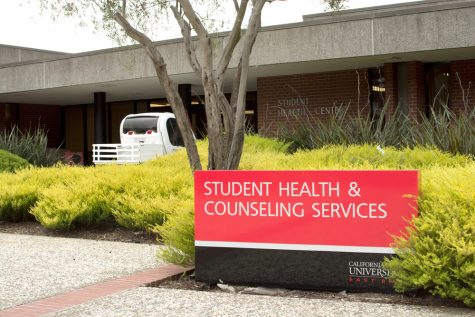
When looking resources that CSU East-bay provide and the article individual level interventions, the schools Pioneers for H.O.P.E. program came to mind. Recently I been receiving emails about the program and went to check it out. This program is really great for students who have trouble with buying food or paying rent. Or just having funds to live life as a college student. The program is meant to help all students and it even has a pantry on site. In 2017 345 people served food and students used the pantry for services. The article spoke to stressful life events and for a student the stress of school can be overwhelming, but when you add food and housing it can make school secondary. Education should be the only worry for students and this program helps with that issue. The article’s intervention methods wanted to shed the social isolation by providing low income groups or individuals with support. This program and the article’s intervention are linked because of the target group they are helping.

Safe Around Town
I currently live in Alameda, Ca. I often take walks with my wife and daughter and many of times take pictures of the sites around us. I’m happy to say that Alameda is very friendly when comes to accesibility. The pictures below tell that story.
The first picture is my daughter outside of our home which is a townhouse community. This week’s post was not just about me but also about my child growing up in a safe home atmosphere. If I was impaired this community would be perfect. All of the homes have easy walk ways for wheelchair access and handicap guest spaces. What makes me think differently is that most of the homes are 3 stories. We did not have to think about impairment when we purchased, if we did, this home would be for us.

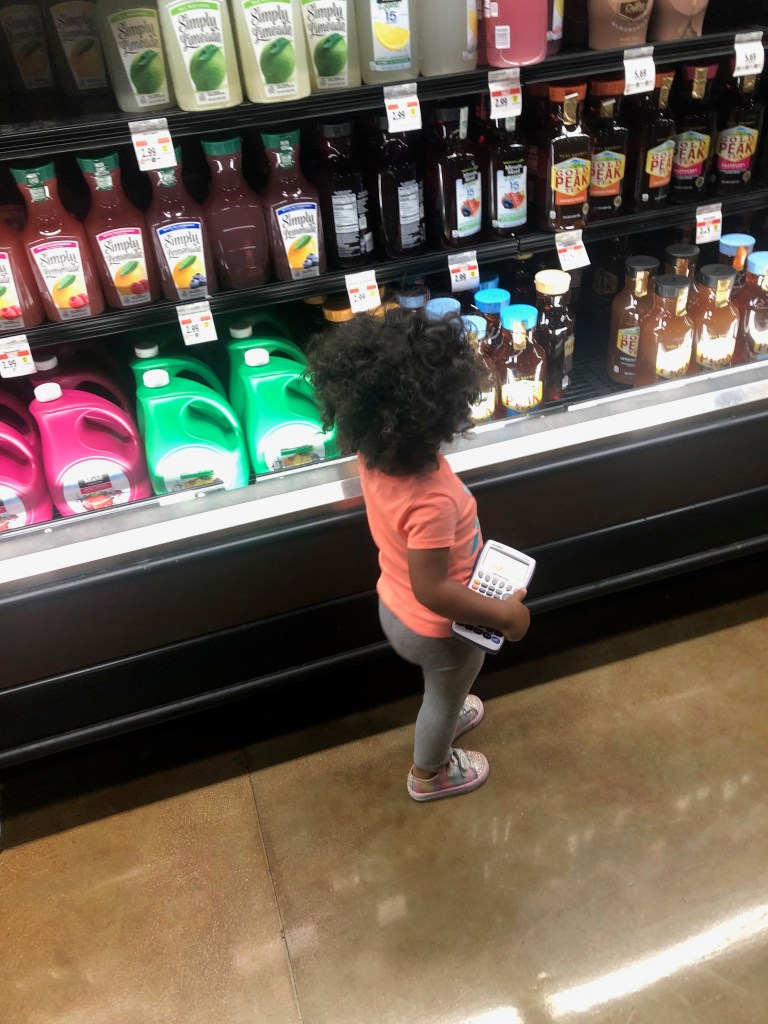
My daughter and I love going grocery shopping. It’s such an adventure for her and I. This grocery store has easy access with ramps, wide aisles, bus stops right on the side of the store. This is Nob Hill Grocery store. You can tell that many of the builds are ADA compliant, even the bathrooms are very friendly for any type of impaired customers.
This is Alameda Beach. One of the issues about the beach is that there is not a bathroom anywhere in site. For people who are not imparied that is difficult so I could only imagine for someone who may have a hard getting around find that stressful. The beach does not have any handicap spaces on the street which could make visiting difficult.

My daughter and I this past weekend at the park. This Park is very friendly and has ramps for wheelchairs. Also ramps for children and not just stairs. For children who may be be blind, they have many of interactive games at the park that provide sounds and the crosswalks all talk when giving direction of when to walk and when to stop.

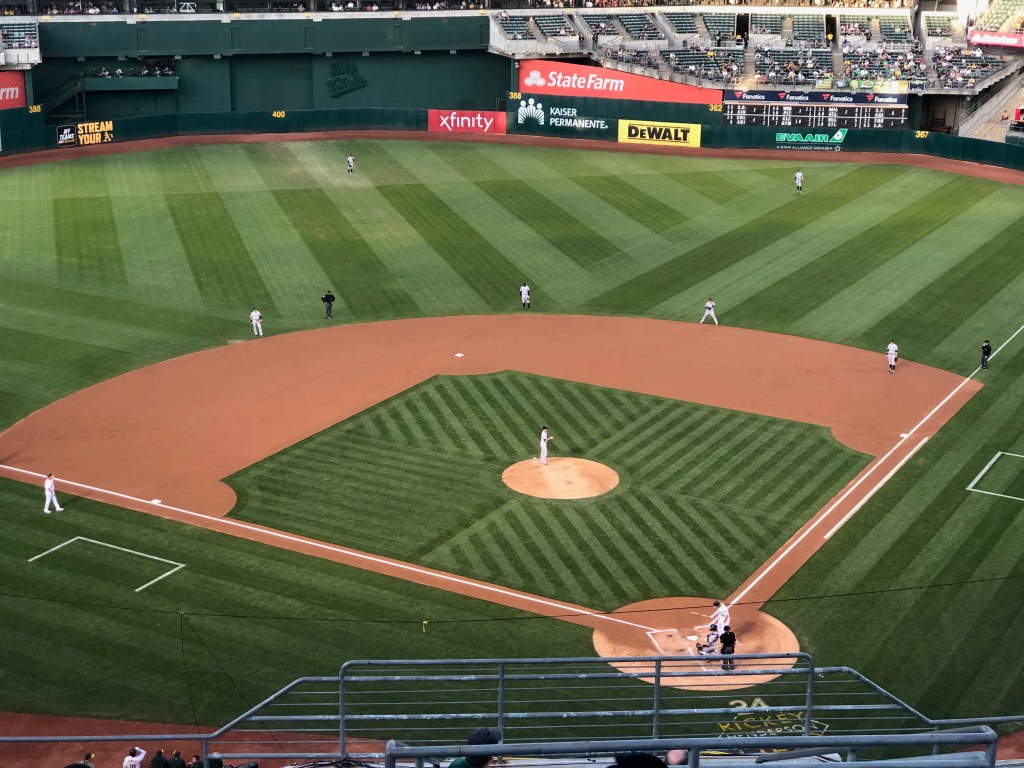
Five minutes from our home is the Oakland A’s stadium. Of all the structures I found this one to be the most disappointing. Many of the seats do not provide ramps for the bleachers seats. There are sections for wheelchair but compared to other seating it isn’t the best options. The stadium could have more handicap spaces and more ramps for wheelchair access and also provide buses that drop you off inside the stadium and not outside of it.
 Health is Wealth.